


From plantation to cup: what path does coffee take?
Coffee is not just a drink; it is an experience that begins on the vast plantations of tropical countries. But how does this delicious beverage end up in the coffee cup? Let’s explore the journey of coffee.
-
Cultivation:
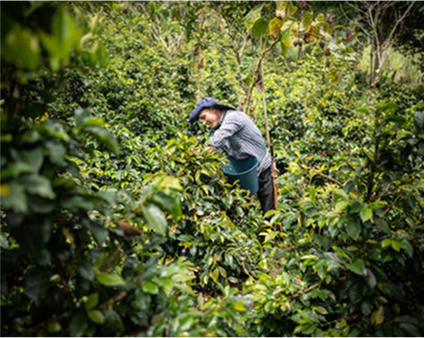
The journey begins on the coffee plantations, often located in Latin America, Africa or Asia. Here the coffee berries grow under ideal climatic conditions. The quality of the bean depends very much on the soil, climate and the care that the farmers take of the plants. Sustainable and organic cultivation methods are gaining more and more popularity which benefits quality and ecological impact.
-
Harvesting:
After months of careful growth, the coffee berries are harvested by hand. This labor-intensive process requires precision to select only the ripe berries. The harvest time is crucial as the taste of the coffee depends directly on the right time of picking.
-
Processing:
After the berries are harvested, they are processed. This can be done in different ways such as the wet or dry method. In the wet method, the berries are washed and fermented, while in the dry method, the berries are sun-dried. These processing methods affect the final taste and aroma of the coffee.
-
Transport:
After roasting, the coffee beans are packaged and shipped in jute bags to different parts of the world including Antwerp.
-
Roasting:
The next step is roasting the beans. This is an art in itself, where different temperatures and times are used to develop the unique flavors. The roasting process determines the characteristics of the coffee from a light fruity flavor to a dark powerful coffee.
With these insights into the journey of coffee, you will be better prepared to enrich your coffee offerings.
Are you ready to take your coffee experience to the next level? Contact St Michel in Antwerp today and discover our high-quality coffee solutions!


